


- √International Certification
- Asia Certification
- Europe Certification
- North America Certification
- Pacific Certification
- South America Certification
- African Certification
- Middle East Certification
- Saudi Arabia Certification

GS certification
GS certification
The meaning of GS is the German "Geprufte
Sicherheit" (Safety has been certified), also means "Germany
Safety" (German safety). GS certification based on the German Product
Safety Act (GPGS), in accordance with the European Union unified standard EN or
German industrial standard DIN testing a voluntary certification, is the
European market recognized German safety certification mark.
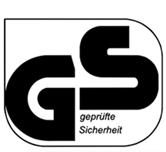
<!--[if !supportLists]-->(1)
<!--[endif]-->Mark
<!--[if !supportLists]-->1. <!--[endif]-->GS
mark is a safety certification mark issued by TUV,VDE and other agencies authorized
by the German Ministry of Labor.
<!--[if gte vml 1]>
The GS mark is a safety mark accepted by the majority
of customers in Europe. GS certified products usually sell at a higher unit
price and are more popular.
<!--[if !supportLists]-->2.
<!--[endif]-->The EC CE
stipulates that the "Low Voltage Directive (LVD)" has been regulated
since 1997.1.1. GS already includes all the requirements of the Low Voltage
Instruction (LVD). So, after getting the GS mark,
<!--[if !supportLists]-->3.
<!--[endif]-->GS certification
requirements for products and documents: products should pass the type test of
European safety standards; The product structure should meet the standard
requirements; Specifications (German, English) to meet standards; English
documents such as "Structure Drawing", "Circuit diagram"
and "Parts List" are prepared as required. Product testing will be
carried out according to the parameters provided in these documents.
<!--[if !supportLists]-->4.
<!--[endif]-->GS certification
has strict requirements for the factory quality assurance system, and the
factory should be reviewed and inspected annually: the factory is required to
establish its own quality assurance system in accordance with the ISO9000
system standards when it is shipped in bulk. At least the factory should have
its own quality control system, quality records and other documents and
sufficient production and inspection capabilities. Before the GS certificate is
issued, the new factory must be reviewed before the GS certificate is issued.
After the certificate is issued, the factory should be inspected at least once
a year. No matter how many GS marks the factory applies for, the factory review
is only required once.
<!--[if !supportLists]-->(2)
<!--[endif]-->Scope of application
1, household appliances, such as
refrigerators, washing machines, kitchen utensils, etc.
2. Household machinery.
3, sports supplies.
4. Home electronics, such as audio-visual
equipment.
5, electrical and electronic
office equipment, such as copiers, fax machines, shredders, computers,
printers, etc.
6, industrial machinery,
experimental measuring equipment.
7, other safety-related products
such as bicycles, helmets, ladders, furniture, etc.
<!--[if !supportLists]-->(3) <!--[endif]-->Application process
<!--[if !supportLists]-->1.<!--[endif]-->First
meeting: Through the first meeting, the testing agency or agency will explain
the specific procedures of certification and relevant standards to the
applicant's product engineer, and provide the required document form to be
submitted.
<!--[if !supportLists]-->2.<!--[endif]-->Application:
The applicant shall submit the documents that meet the requirements. For
electrical products, it is necessary to submit the final assembly drawing of
the product, the electrical schematic diagram, the bill of materials, the
product use or use installation manual, the difference between the series model
and other documents.
<!--[if !supportLists]-->3.<!--[endif]-->Technical
meeting: After the testing agency has checked the applicant's documents, a
technical meeting will be arranged with the applicant's technical staff.
<!--[if !supportLists]-->4.<!--[endif]-->Sample
testing: The test will be carried out in accordance with the applicable
standards and can be carried out at the manufacturer's laboratory or at any of
the laboratories of the testing agency in each country.
<!--[if !supportLists]-->5.<!--[endif]-->Factory
inspection: GS certification requires safety-related procedures to be inspected
at the production site.
<!--[if !supportLists]-->6.<!--[endif]-->Issue
GS certificate.
<!--[if !supportLists]-->(4) <!--[endif]-->Required information
1. Fill out the application form
2. Sign the General Agreement
3. Information required for
safety assessment
A CB certificate and report for
the product can be provided and must include group difference in Europe. Or
provide information required for safety assessment
- Product instructions (including
safety warnings, maintenance instructions, accessories installation steps,
etc.)
- Parts list (according to the
relevant standard requirements, provide the key safety parts used in the
product information. Parts information may include manufacturer, model,
parameters, certification information, parts requirements need to consider the
requirements of parts standards and final product standards)
- Circuit diagram and layout
- Product structure drawing
- Specifications of transformer
and other parts
4, food contact parts (if any)
Please provide a food hygiene
authorization document issued by an authority for accessible black materials
(plastics, coatings, etc.), or a relevant test assessment (PAH) is required.
5, nameplate (German, need the
correct size GS logo.)
6. Electromagnetic Compatibility
Assessment Report (EMC) and Factory Declaration of Conformity (DOC)
7. Instructions in German
8. Samples at the time of
shipment to complete structural review, type test or ergonomic test evaluation
9. For applicable product
categories, evaluation reports of Noise and EN50332 are required
10, if applicable product
category, DMF, EMF evaluation report should be provided.
<!--[if !supportLists]-->(5)
<!--[endif]-->Cycle
In general, the length of time depends on whether the
product needs to be modified or how quickly the manufacturer can submit the
required product documentation. In general, the time required is usually about
6 to 8 weeks.
<!--[if !supportLists]-->(6) <!--[endif]-->Expense
The fee includes one-time certification fee, factory
inspection fee and annual certificate fee. The exact number will depend on the
type of product and the tests required. The certification body will provide you
with a price reference after receiving the required documents submitted by the
applicant, and the market policy and credibility of each certification body
will vary in price.
<!--[if !supportLists]-->(7) <!--[endif]-->Function
The GS mark indicates that the safety of the product
has been tested by a credible independent body. The GS mark, although not
legally mandatory, does allow manufacturers to be subject to strict German
(European) product safety laws in the event of an accident caused by a product
failure. Therefore, the GS logo is a powerful market tool that can enhance
customer confidence and purchase desire. Although GS is the German standard,
the vast majority of countries in Europe agree. And meet the GS certification at
the same time, the product will also meet the requirements of the EC CE mark.
Unlike CE, the GS mark is not legally mandatory, but because safety awareness
has penetrated into the ordinary consumer, an appliance with the GS mark may
have greater competitiveness in the market than the general product